
Exploring Orthodontic Retainers and Post-Treatment Care in Poway
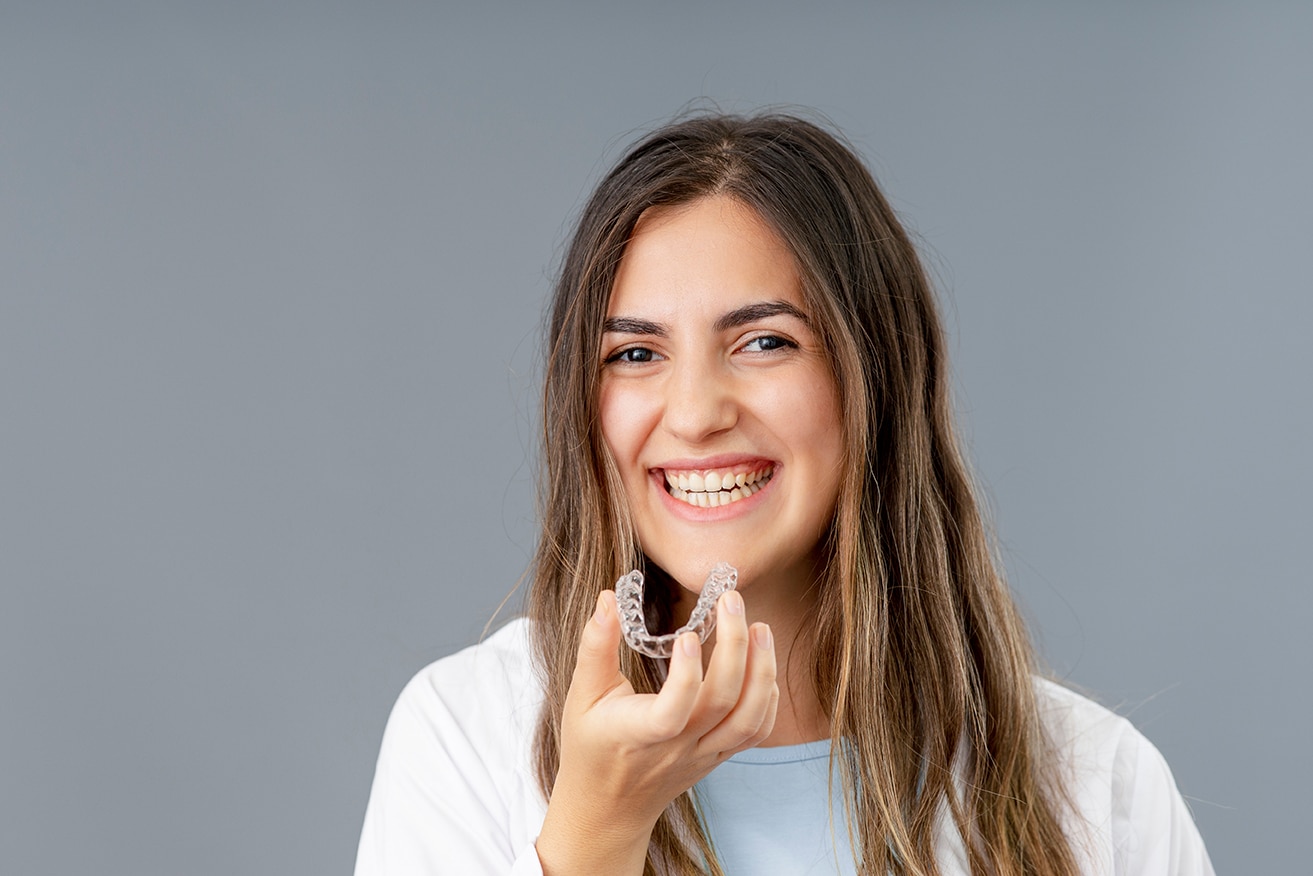
Completing orthodontic treatment is an exciting milestone. Whether your smile was improved with braces, Invisalign, Spark Clear Aligners, or another orthodontic option, the next step is just as important as the treatment itself. Orthodontic retainers help protect your results by keeping your teeth in their corrected positions after active treatment is complete.
At Midland Orthodontics in Poway, CA, we help patients understand that retainers are not an afterthought. They are part of long-term orthodontic care. Teeth can shift over time due to natural pressure from chewing, speaking, aging, and surrounding oral tissues. With the right retainer and proper post-treatment care, you can help preserve your smile and reduce the risk of unwanted movement.
Led by Dr. Ethan J. Yoo, our practice provides patient-centered orthodontic care with a strong focus on education, comfort, and long-term results. Our goal is to help you enjoy the journey to a beautiful smile and feel confident about caring for it after treatment.
This Article will address
- Why retainers are important after orthodontic treatment
- What can happen if you stop wearing your retainer
- The different types of orthodontic retainers
- How to know if your retainer no longer fits
- How often retainers may need to be replaced
- How to care for your retainer after braces or clear aligners
- What to do if your retainer is lost, broken, or damaged
- How post-treatment orthodontic care supports a long-term smile in Poway, CA
Why Are Retainers Important After Orthodontic Treatment?
Retainers are important after orthodontic treatment because they help hold your teeth in their new positions. After braces or clear aligners move the teeth, the bone, gums, and surrounding tissues need time to stabilize around the corrected alignment. Without proper retention, teeth may gradually begin to shift.
This phase is often called retention. It is the part of orthodontic care that helps maintain the results achieved during treatment. Retainers after braces or Invisalign are designed to protect your progress and support long-term smile stability.
At Midland Orthodontics, we explain retainer use clearly so patients know what to expect after active treatment ends. Your retainer plan may depend on your bite, alignment, treatment history, age, and risk of relapse. For some patients, removable retainers are recommended. For others, a fixed retainer may be part of the plan.
Post-treatment orthodontic care is especially important because teeth can continue to respond to pressure throughout life. Wearing your retainer as directed helps protect your smile, bite, and the time you invested in orthodontic treatment.
What Happens If I Stop Wearing My Retainer?
If you stop wearing your retainer, your teeth may begin to shift. This can happen gradually, but in some cases, patients notice changes sooner than expected. Even small movements can affect how your retainer fits, how your teeth look, or how your bite feels.
If you have not worn your retainer for a while, it may feel tight when you try to place it again. Mild snugness can happen, but a retainer should not cause strong pain or require force. Trying to force a retainer that no longer fits can cause discomfort, damage the retainer, or place unhealthy pressure on the teeth.
If you stop wearing your retainer, you may notice:
- Tightness when trying to put the retainer back in
- Small spaces reopening between teeth
- Crowding returning
- Bite changes
- A retainer that no longer seats properly
- Visible tooth movement
- The need for a replacement retainer or limited orthodontic correction
If your retainer no longer fits comfortably, the best next step is to schedule a retainer check. At Midland Orthodontics in Poway, CA, we can evaluate your teeth, review your retainer, and discuss whether a new retainer or additional orthodontic care may be needed.
What Are The Different Types Of Orthodontic Retainers?
There are several types of orthodontic retainers, and each has different benefits. The right option depends on your teeth, treatment results, lifestyle, and long-term retention needs.
Clear Removable Retainers
Clear removable retainers are thin, transparent trays that fit over the teeth. They are popular because they are discreet and easy to remove for eating, brushing, and flossing. Many patients like clear retainers because they look similar to clear aligners.
These retainers should be stored safely in a case when not in use. They can become warped if exposed to heat, so patients should avoid hot water, direct sunlight, and leaving them in a hot car.
Hawley Retainers
Hawley retainers are made with acrylic and a wire that helps hold the teeth in position. They are durable and may be adjustable in certain cases. Some patients prefer Hawley retainers because they can last a long time with proper care.
Because they include a wire across the front teeth, they are more visible than clear retainers. However, they remain a trusted option for many orthodontic retention plans.
Fixed Or Bonded Retainers
Fixed retainers, also called bonded retainers, are attached behind the teeth. These retainers are not removed by the patient. They may be recommended for patients who are more likely to experience shifting or who may have difficulty wearing a removable retainer consistently.
Fixed retainers require careful cleaning around the wire and regular monitoring. Patients may need special flossing tools or instructions to keep the area clean and healthy.
No single retainer is best for every patient. At Midland Orthodontics, Dr. Yoo and our team help patients understand their options so their retainer plan fits their orthodontic needs and daily routine.
How Do I Know If My Retainer No Longer Fits?
You may know your retainer no longer fits if it does not seat fully over your teeth, causes pain, feels loose, or looks warped. A retainer should feel secure, but it should not need to be forced into place.
There is a difference between mild tightness and a poor fit. If you missed a night or two, your retainer may feel slightly snug. If it feels painful, rocks back and forth, pops out easily, or only fits halfway, your teeth may have shifted or the retainer may be damaged.
Signs your retainer may no longer fit include:
- It will not fully seat over the teeth
- It feels painful instead of mildly snug
- It pops out easily
- It looks warped, cracked, or bent
- Your teeth have visibly shifted
- Your bite feels different
- A fixed retainer feels loose or detached
If your retainer no longer fits, do not force it. Contact Midland Orthodontics for a retainer evaluation in Poway, CA. We can help determine whether your existing retainer can still be used, whether a replacement retainer is needed, or whether minor orthodontic correction should be considered.
How Often Should I Replace My Orthodontic Retainer?
How often you should replace your orthodontic retainer depends on the type of retainer, how often it is worn, how well it is cleaned, and whether it has been damaged. Some retainers last longer than others, but all retainers should be checked if they stop fitting well or no longer feel secure.
Retainers can wear down over time. Clear retainers may become cracked, stretched, cloudy, or warped. Hawley retainers may bend or break. Fixed retainers can loosen or detach from the teeth. Grinding, clenching, pets, heat exposure, and improper storage can also shorten a retainer’s lifespan.
A retainer may need replacement if:
- It is cracked or broken
- It has become warped
- It has buildup that cannot be cleaned away
- It no longer fits securely
- It feels uncomfortable
- It has been lost
- A bonded retainer becomes loose or detached
If you are unsure whether your retainer needs to be replaced, schedule a visit with Midland Orthodontics. A professional retainer check can help protect your smile before shifting becomes more noticeable.
How Should You Care For Your Retainer After Orthodontic Treatment?
Caring for your retainer helps it last longer and helps protect your oral health. Retainers can collect plaque, bacteria, and buildup if they are not cleaned properly. Good retainer habits also reduce the risk of damage, warping, or loss.
Patients can help protect their retainers by:
- Removing removable retainers before eating, unless instructed otherwise
- Rinsing the retainer after removal
- Brushing the retainer gently with a soft toothbrush
- Avoiding hot water, which may warp some retainers
- Keeping the retainer in its case when not in use
- Keeping retainers away from pets
- Avoiding harsh cleaners unless recommended by the orthodontist
- Cleaning around fixed retainers carefully with floss threaders or other recommended tools
You should also bring your retainer to follow-up visits when recommended. This allows your orthodontist to check the fit and make sure it is still doing its job.
At Midland Orthodontics, we provide patient education materials and guidance so patients know how to care for their retainers at home. Retainer care is simple, but consistency matters.
How Does Post-Treatment Care Support A Long-Term Smile?
Post-treatment care supports a long-term smile by helping monitor your retainers, alignment, bite, and overall stability after orthodontic treatment. Retention is not just the final step. It is part of protecting your results over time.
Follow-up care may include:
- Checking how your retainer fits
- Monitoring for tooth movement
- Reviewing hygiene around fixed retainers
- Replacing damaged or worn retainers
- Discussing changes in your bite
- Recommending limited treatment if relapse has occurred
At Midland Orthodontics, our philosophy is rooted in compassionate, honest, and family-like care. We want patients to feel informed throughout every part of their orthodontic journey, including the years after braces or clear aligners are complete.
Dr. Ethan J. Yoo brings extensive orthodontic training and a commitment to continuous learning to each patient’s care. Our modern Poway office is designed with comfort, hygiene, and patient education in mind.
Protect Your Smile With Retainer Care At Midland Orthodontics In Poway, CA
Retainers are essential for protecting your orthodontic results. If your retainer is lost, broken, tight, loose, or no longer fitting correctly, it is best not to wait. Early retainer care can help reduce the risk of shifting and protect the smile you worked hard to achieve.
If you need guidance with orthodontic retainers, replacement retainers, or post-treatment orthodontic care in Poway, CA, contact Midland Orthodontics. Dr. Ethan J. Yoo and our team are here to help you protect your smile with thoughtful, patient-centered care.
Site Sources

Ethan J. Yoo, DDS, MSD
Dr. Ethan J. Yoo, DDS, MSD, is a compassionate orthodontist in Poway, CA, dedicated to guiding patients through a pleasant orthodontic journey toward a beautiful smile. A Bay Area native, Dr. Yoo earned his Bachelor’s degree in Biology from UC Berkeley and discovered his passion for orthodontics while working as an orthodontic assistant. He achieved his dental degree with High Honors from the University of the Pacific School of Dentistry and completed his Orthodontic Residency at the University of Colorado, Anschutz Medical Campus, where he received extensive training in various orthodontic treatments.
Enjoy the Journey to a Beautiful Smile
Our friendly and experienced team provides exceptional orthodontic care…every step of the way.