
What Are Common Orthodontic Emergencies, And How Should I Handle Them in Poway, CA?

Orthodontic emergencies can feel stressful, especially when something suddenly shifts, breaks, or starts causing pain. The good news is that many common orthodontic problems can be managed temporarily at home until you are able to see your orthodontist. Loose brackets, poking wires, sore spots, broken retainers, and cracked aligners are all issues we help patients navigate. At Midland Orthodontics, we help patients in Poway, CA understand what is normal, what needs attention, and when it is important to contact our office right away.
This Article will address
- What counts as an orthodontic emergency
- What to do if a bracket or band comes loose
- How to handle a poking or broken wire
- What to do if braces are causing sores or irritation
- How to relieve pain from braces or clear aligners until you can be seen
- What happens if a retainer breaks or no longer fits
- What to do if a clear aligner cracks, warps, or stops fitting properly
- What foods and habits are most likely to cause an orthodontic emergency
- How to tell whether an orthodontic issue can wait until your next appointment
- When you should contact an orthodontist right away
- How to help prevent common orthodontic emergencies
- Why patients trust Midland Orthodontics for orthodontic emergency care in Poway, CA
What Counts as an Orthodontic Emergency?
Not every orthodontic problem is a true emergency, but some issues should never be ignored. In many cases, an orthodontic emergency involves an appliance problem that causes pain, interferes with function, or creates a risk of further injury. Common examples include loose brackets, loose bands, broken wires, poking wires, cracked aligners, broken retainers, swelling, bleeding, or trauma to the mouth or jaw.
Some issues are uncomfortable but manageable for a short time. Mild soreness after an adjustment, temporary irritation from braces, or a small appliance issue that can be covered with orthodontic wax may not require immediate same-day care. However, if discomfort becomes severe, a wire is cutting into your cheek, your appliance is no longer functioning properly, or you experience trauma or swelling, it is important to contact your orthodontist promptly.
What Should I Do If a Bracket or Band Comes Loose?
A loose bracket or band is one of the most common orthodontic emergencies. If the bracket is still attached to the wire, do not try to remove it yourself. In many cases, it is best to leave it in place until we can evaluate it. If the loose piece is rubbing the inside of your mouth, orthodontic wax can help create a temporary barrier and reduce irritation.
It is also important to avoid sticky, crunchy, or hard foods until the issue is repaired. Even if the discomfort seems minor, a loose bracket can interfere with how your braces are working. Waiting too long to address it may delay progress and affect treatment efficiency.
How Do I Handle a Poking or Broken Orthodontic Wire?
A poking or broken wire can be especially frustrating because it may irritate the cheeks, gums, or lips throughout the day. If this happens, orthodontic wax is often the first and best temporary step. Placing a small amount of wax over the area can reduce friction and make the problem more tolerable until you can be seen.
If a wire has shifted slightly and we have previously shown you how to manage it safely, you may be able to gently reposition it. However, you should not cut or force the wire on your own unless you have been specifically instructed to do so. A broken or protruding wire that is causing significant pain or making it hard to speak or eat should be evaluated as soon as possible.
What Should I Do If My Braces Are Causing Sores or Irritation Inside My Mouth?
Braces can sometimes cause sore spots, especially after treatment begins or after an adjustment. The brackets and wires may rub against the soft tissues inside the mouth before your cheeks and lips fully adjust. This can lead to irritation, tenderness, or small sores.
Orthodontic wax is usually very helpful for reducing friction. Warm saltwater rinses may also help soothe the tissues and support healing. It is also wise to avoid spicy, sharp, or abrasive foods while the area is irritated. Most mild irritation improves with time, but if the area becomes more painful, looks infected, or does not improve, we recommend reaching out so we can help.
How Can I Relieve Pain From Braces or Clear Aligners Until I Can Be Seen?
Some soreness is normal after braces are adjusted or when switching to a new set of aligners. This type of discomfort is often temporary and tends to improve as your teeth begin responding to treatment. Soft foods can make eating more comfortable, and cold water or a cool compress may help reduce tenderness.
If appropriate for you, over-the-counter pain relief may also help, according to the directions provided by your healthcare provider. The most important thing is to pay attention to the type of pain you are having. Mild pressure and soreness are common. Sharp, intense, worsening, or unusual pain is different and should not be ignored. If something feels off, it is best to let us know.
What Happens If My Retainer Breaks or No Longer Fits?
A broken retainer or a retainer that no longer fits properly should be taken seriously. Retainers help preserve the alignment achieved through orthodontic treatment. If you stop wearing one because it is cracked, warped, or too tight, your teeth may begin to shift.
Do not force a retainer that no longer fits. Doing so can cause discomfort and may even damage the appliance further. Instead, contact our office so we can evaluate the problem and guide you on the next step. In many cases, addressing a retainer problem quickly can help protect your results and prevent more significant movement.
What Should I Do If My Clear Aligner Cracks, Warps, or Stops Fitting Properly?
Clear aligners are designed to fit closely and apply controlled pressure, so any change in their shape or fit matters. If an aligner cracks, warps, or stops seating properly, do not assume it will correct itself. The tray may no longer be delivering the type of movement it was designed for.
If this happens, contact us for guidance. Depending on where you are in treatment, we may advise you to continue with your current tray, return to a previous tray, or move to the next one only if that has already been discussed as part of your plan. The right response depends on your individual treatment progress, so it is always best to check before making a change on your own.
What Foods or Habits Are Most Likely to Cause an Orthodontic Emergency?
Some orthodontic emergencies happen suddenly, but many are caused by everyday habits. Sticky foods, hard foods, and very crunchy foods are among the most common causes of broken brackets and bent wires. Chewing ice, biting pens, nail biting, and using your teeth to open packages can also damage braces and other orthodontic appliances.
Aligners and retainers are not immune to damage either. They can crack, warp, or become misshapen if they are chewed on, exposed to heat, or handled carelessly. One of the best ways to avoid an orthodontic emergency is to follow your appliance instructions carefully and be mindful of the habits that place extra stress on your treatment.
How Do I Know If an Orthodontic Issue Can Wait Until My Next Appointment?
This is one of the most common questions patients have, and the answer usually depends on pain, function, and risk. Mild soreness, a small area of irritation that improves with wax, or a minor issue that does not affect how your appliance is working may be able to wait briefly until your next scheduled visit or a sooner non-urgent appointment.
However, if you are dealing with significant pain, swelling, bleeding, trauma, a loose appliance that is no longer functioning properly, or something that is making it hard to eat or speak, it is better to contact our office rather than wait. When in doubt, it is always wise to ask. Getting guidance early can help prevent a small issue from becoming a bigger setback.
When Should I Contact an Orthodontist Right Away?
You should contact an orthodontist right away if you have severe pain, noticeable swelling, bleeding that does not stop, trauma to the mouth or jaw, or an appliance problem that is affecting normal function. You should also reach out promptly if a bracket, wire, aligner, or retainer issue is causing significant discomfort or appears to be getting worse.
Any concern involving a swallowed or inhaled appliance piece should be treated seriously. Likewise, signs of infection or worsening inflammation should not be ignored. Prompt communication allows us to help you determine the right next step and whether you need urgent orthodontic care or another type of emergency evaluation.
Can Orthodontic Emergencies Be Prevented?
Many orthodontic emergencies can be reduced or avoided with the right habits. Wearing a mouthguard during sports is one of the best ways to protect your teeth, braces, and soft tissues from injury. Avoiding hard, sticky, and damaging foods also goes a long way toward preventing broken appliances.
It is also helpful to keep orthodontic wax on hand, follow all instructions for aligners and retainers, and attend regular appointments so small issues can be caught early. Prevention is not just about convenience. It also helps keep your treatment moving forward as planned and supports a more comfortable overall experience.
Why Choose Midland Orthodontics for Orthodontic Emergency Care in Poway, CA?
At Midland Orthodontics, we believe orthodontic care should be informative, supportive, and centered on the individual. Our practice is built around compassionate care in a modern setting, with a strong focus on patient education, comfort, and honest communication. We treat children, teens, and adults, and we guide patients through each step of treatment so they feel confident in their care decisions. Dr. Ethan J. Yoo provides advanced orthodontic services that include braces, clear aligners, retainers, surgical orthodontic care, and emergency orthodontic care. Our Poway office also offers a clean, welcoming environment and Saturday availability, which makes it easier for patients to get the care they need when concerns arise.
Get Trusted Orthodontic Emergency Care in Poway, CA
Orthodontic emergencies can feel overwhelming in the moment, but many problems can be managed safely with the right temporary steps and timely professional guidance. Whether you are dealing with a loose bracket, a poking wire, a broken retainer, or an aligner that no longer fits, Midland Orthodontics is here to help you protect your smile and keep your treatment on track.
If you are experiencing an orthodontic issue and are not sure what to do next, contact Midland Orthodontics for assitance. Our team is here to provide clear guidance, compassionate support, and professional orthodontic care when you need it most.
Sources
Enjoy the Journey to a Beautiful Smile
Our friendly and experienced team provides exceptional orthodontic care…every step of the way.
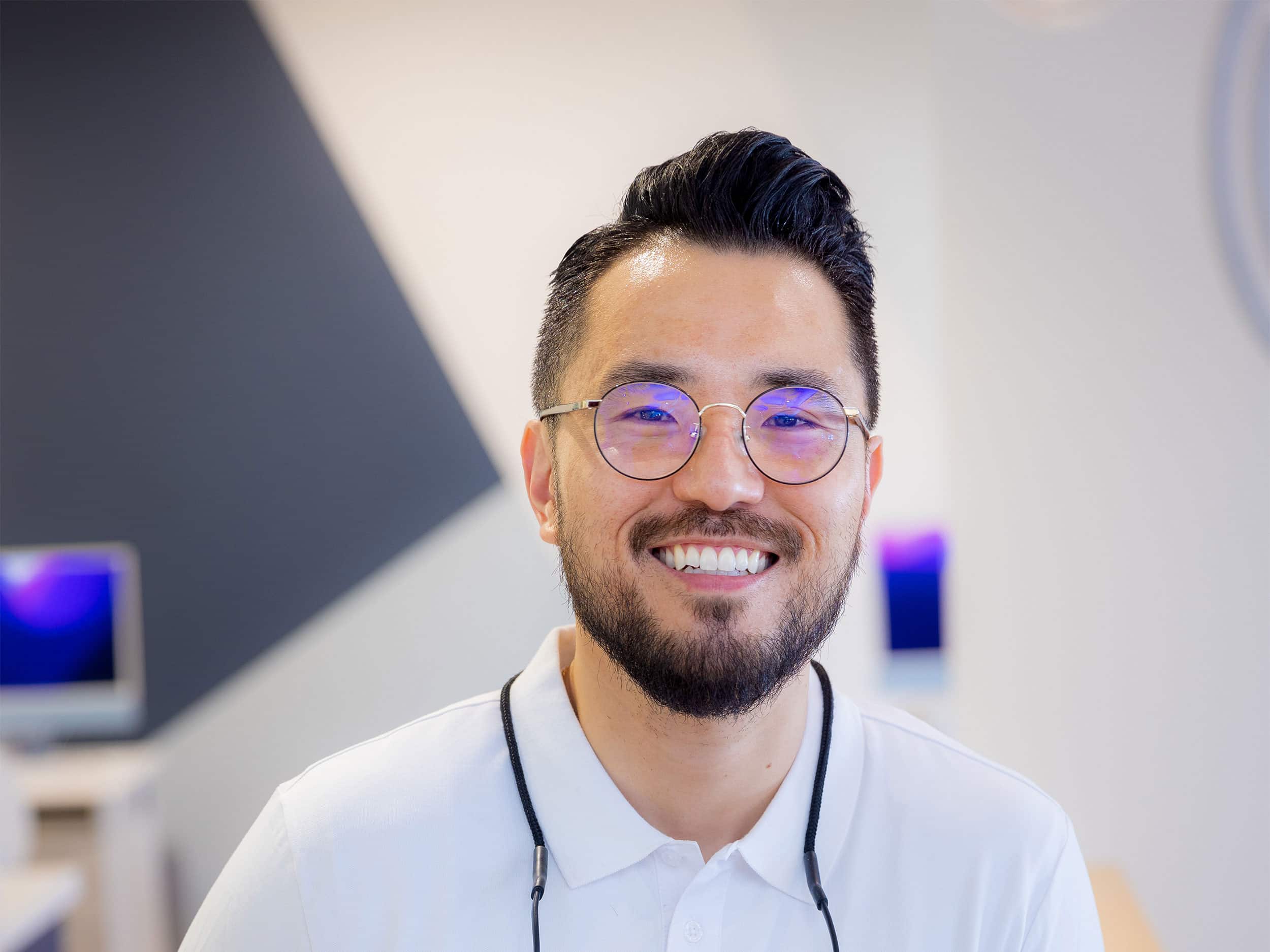
Dr. Ethan J. Yoo, DDS, MSD, is a compassionate orthodontist in Poway, CA, dedicated to guiding patients through a pleasant orthodontic journey toward a beautiful smile. A Bay Area native, Dr. Yoo earned his Bachelor’s degree in Biology from UC Berkeley and discovered his passion for orthodontics while working as an orthodontic assistant. He achieved his dental degree with High Honors from the University of the Pacific School of Dentistry and completed his Orthodontic Residency at the University of Colorado, Anschutz Medical Campus, where he received extensive training in various orthodontic treatments.